
Resource Guide
Weighing Scale Accuracy Checks and Calibration Practices for UAE Businesses
A practical guide to daily verification, escalation rules, and documentation habits for dependable weighing results in Dubai and UAE operations.
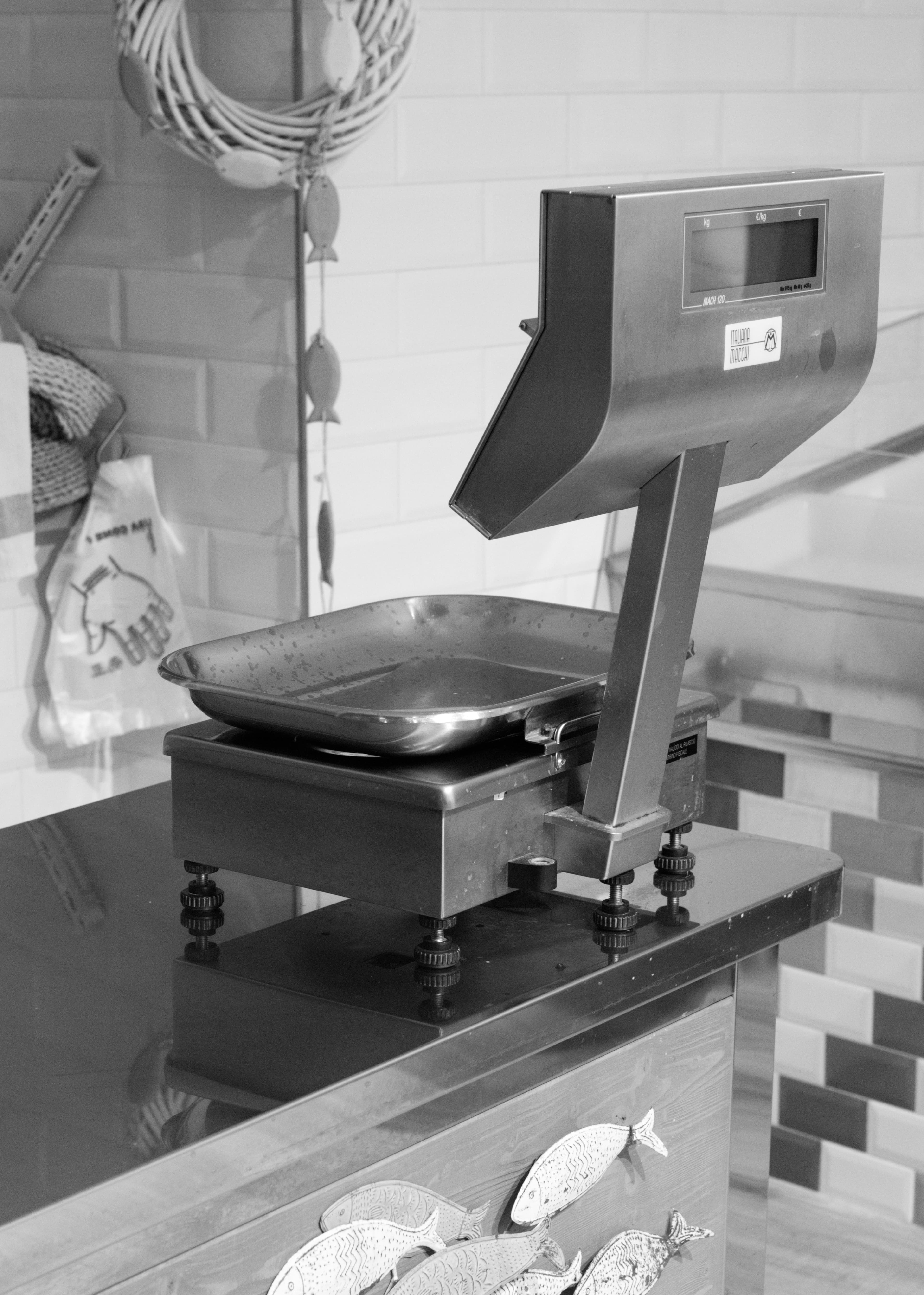
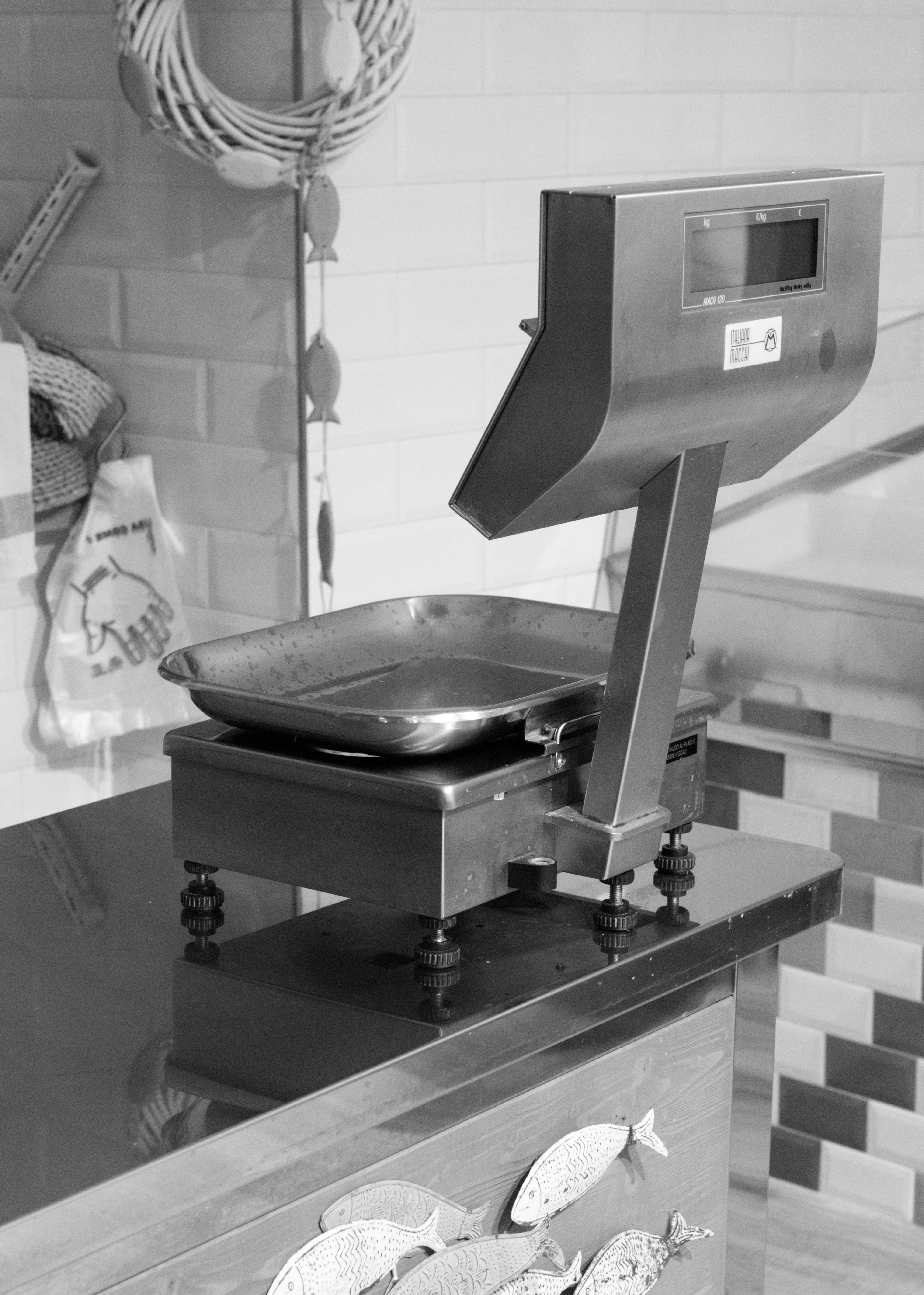
Accuracy in weighing is not a setting you apply once during installation. It is a routine that needs attention every day. Teams that run simple, repeatable checks catch drift early, reduce transaction risk, and stay better prepared for audits or customer disputes.
This guide explains the core practices that help UAE businesses maintain reliable weighing results. The focus is on practical steps that any team can implement, regardless of the scale type they use.
Understanding the Difference Between Accuracy Checks and Calibration
It helps to distinguish between two related but different activities:
- Accuracy checks are routine tests that operators perform to confirm the scale is reading correctly. These are quick, daily or weekly checks using a reference weight.
- Calibration is a more involved process that adjusts the scale to ensure its readings match a known standard. Calibration is typically performed by a qualified service provider or an accredited laboratory.
Both activities are important, but they serve different purposes. Daily accuracy checks catch problems early. Professional calibration restores the scale to its specified performance when needed.
Businesses operating in the UAE should confirm their specific calibration and verification requirements with the relevant authority or an accredited calibration provider. The UAE Ministry of Industry and Advanced Technology offers information on national standards for measurement and calibration.
Build a Daily Check Routine Your Team Can Follow
An effective check routine is short and practical. If it takes too long, your team will skip it. The goal is to confirm that the scale is performing within an acceptable range before the first transaction of the day.
Recommended daily checks:
- Confirm the scale reads zero before any items are placed on it
- Place a known reference weight on the platform and verify the reading
- Check that the platform is clean and the scale is level
- Allow the display to stabilize before recording any value
This whole process takes a few minutes. It prevents hours of rework later if a problem is caught early. For more on how these checks fit into a retail environment, see our retail and grocery scale guide.
Define Escalation Thresholds in Advance
Operators should not have to guess what to do when readings look unusual. A clear escalation process helps the team respond consistently under pressure.
A simple four-step escalation rule set:
- If the reading drifts beyond your internal tolerance level, pause transactions that depend on that scale
- Repeat the check using a verified reference weight
- Log the result and note who performed the check
- Escalate to a supervisor or your service contact
When thresholds are defined before a problem occurs, the team reacts calmly and the issue gets resolved faster. The acceptable tolerance range will differ depending on the scale type and the transaction value. A jewellery scale handling high-value items will have tighter tolerances than a warehouse floor scale used for stock movement.
Documentation That Supports Operations
Documentation should be useful, not burdensome. A simple log that captures the essential details is more likely to stay current than a complicated form.
What to record in your check log:
- Date and time of the check
- Name of the operator who performed it
- The reading result and whether it passed the tolerance check
- Any action taken if the reading was outside the acceptable range
- Name of the person who resolved the issue
Concise logs support troubleshooting and can help during audits or compliance reviews. They also help identify patterns, such as a particular scale that drifts more frequently than others. For high-accuracy environments like laboratories and jewellery counters, our precision balance guide provides more detail on verification practices.
Monthly Control Review
Set aside time once a month to review your check logs. This review helps you spot trends and improve your processes.
Questions to ask during the monthly review:
- Are check routines being followed consistently across all shifts?
- Are certain scales showing repeated issues that point to a setup or environment problem?
- Do staff members need a refresher on the check procedure?
- Are escalation contacts responding within the expected time frame?
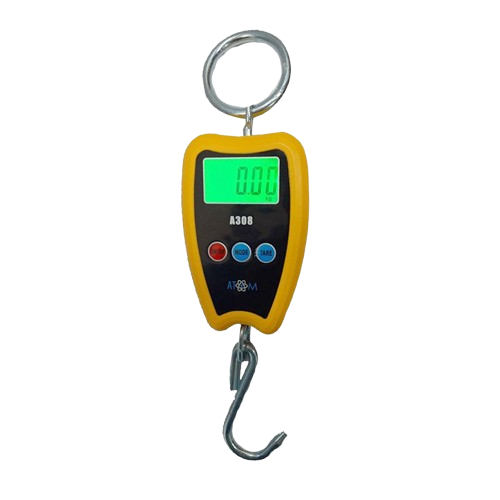
A monthly review keeps your accuracy controls active rather than letting them become a box-checking exercise. For businesses using crane scales or floor scales, the review should also include a visual inspection of the hardware for wear or damage.
External Standards and Reference Materials
If your business needs to align with international weighing standards, several organizations publish useful reference materials:
- The International Organization of Legal Metrology (OIML) publishes recommendations for weighing instrument performance and testing. These documents are widely referenced by calibration providers and regulatory bodies.
- The National Institute of Standards and Technology (NIST) provides FAQs and handbooks on weighing practices that are useful for understanding terminology and best practices.
These resources are educational. Businesses should confirm their specific obligations with the relevant local authority or an accredited calibration provider.
Weighing Scale Calibration: When and How
Calibration is different from a daily accuracy check. It involves comparing the scale readings against certified reference standards and making adjustments if needed. Here are some common triggers for calibration:
- After a scale is moved or reinstalled in a new location
- When daily accuracy checks consistently show readings outside the acceptable range
- After a repair or component replacement
- At intervals recommended by the manufacturer or based on the scale usage level
For precision instruments such as jewellery scales and laboratory balances, more frequent calibration is typical because the transaction values or scientific methods demand tighter control.
When you arrange calibration, work with a provider who uses traceable reference standards. Traceability means the calibration weight or instrument used has been tested against a national or international standard through an unbroken chain of comparisons.
Why Accuracy Matters Commercially
Reliable weighing protects your margins, your billing accuracy, and your production quality. In retail settings, accurate scales reduce customer disputes. In industrial environments, they support process control and dispatch confidence. In jewellery and laboratory settings, they protect trust and data integrity.
Our comprehensive weighing scale buying guide explains how to choose the right scale for your business in the first place. Starting with the right equipment makes accuracy checks and calibration more straightforward.
Final Takeaway
Accuracy in weighing is a behavior pattern. If your team follows clear routines, defined thresholds, and practical documentation habits, compliance readiness becomes a natural outcome of good operations.
If you have questions about accuracy checks or calibration options for your specific scale type, reach out through the contact page. Our team serves customers across Dubai, Abu Dhabi, Sharjah, Ajman, Ras Al Khaimah, Fujairah, and Umm Al Quwain.