
Resource Guide
Crane Scale vs Hanging Scale for UAE Warehouses and Material Handling
A practical comparison of crane scales and hanging scales to help UAE warehouse and logistics teams choose the right suspended weighing equipment.
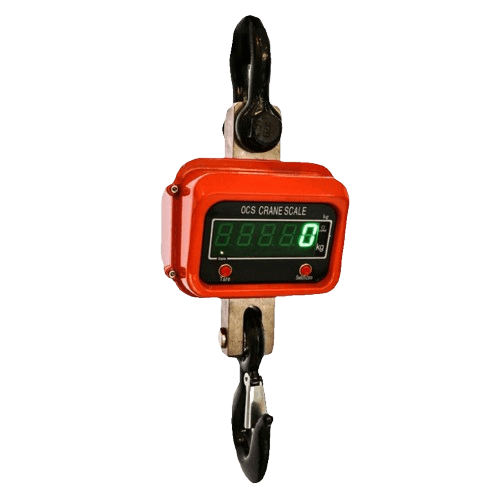
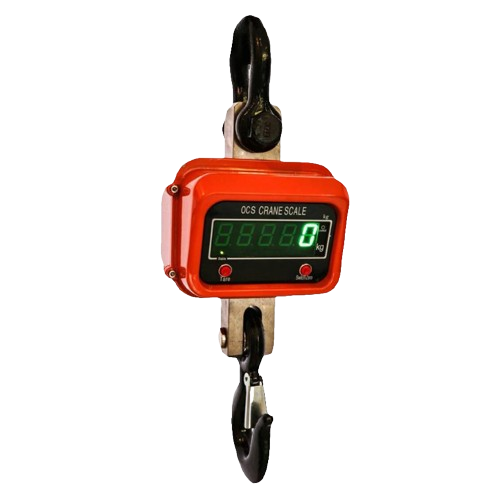
When your warehouse or material handling operation needs to weigh items that cannot be placed on a platform scale, suspended weighing is the answer. Two common options for suspended weighing are crane scales and hanging scales. While they serve similar purposes, they differ in capacity range, typical use cases, and installation setup.
This guide compares crane scales and hanging scales so UAE warehouse and logistics teams can choose the right equipment for their specific needs.
What Is a Crane Scale?
A crane scale is a heavy-duty weighing device that attaches to a crane, hoist, or overhead lifting system. It is designed for large loads that need to be weighed during the lifting process. Crane scales typically have high weight capacities and are built for industrial environments.
Common applications for crane scales in UAE operations include:
- Weighing steel beams, pipes, and construction materials in yards
- Measuring incoming raw materials at factory receiving points
- Verifying load weights before dispatch from warehouses
- Checking scrap metal or bulk material weights in recycling operations
Crane scales are built to withstand repeated lifting cycles and exposure to outdoor or semi-outdoor conditions. The digital display on many models can be positioned at a distance for operator convenience. You can explore the available options in the crane scales section.
What Is a Hanging Scale?
A hanging scale is a lighter suspended weighing device that uses a hook or shackle to hold the item being weighed. It is typically more portable than a crane scale and does not require a permanent overhead lifting system. Hanging scales are commonly used in markets, stockrooms, and produce handling areas.
Typical uses for hanging scales in UAE businesses include:
- Weighing produce sacks and bulk food items in grocery back rooms
- Checking parcel weights in shipping and courier operations
- Weighing items in settings where a platform scale would take up too much space
- Portable weighing for field inspections or temporary setups
Hanging scales are valued for their compact size and ease of movement between locations. For models suited to your operation, browse the hanging scales collection.
Key Differences Between Crane Scales and Hanging Scales
The main differences come down to capacity, installation, and intended use.
Capacity Range
Crane scales generally support much higher weight capacities. It is common to find crane scales rated for several tons, making them suitable for industrial lifting operations. Hanging scales typically cover lower capacity ranges, often up to a few hundred kilograms, which fits the needs of markets, stockrooms, and smaller warehouses.
Installation and Portability
Crane scales are designed to stay mounted on a lifting system. They integrate with the crane or hoist and remain in place for repeated use. Hanging scales are usually more portable. An operator can move a hanging scale between locations easily because it requires only a secure point to hang from.
Build and Durability
Crane scales are built for rugged industrial environments. They often include features such as overload protection, weather-resistant housings, and remote display options. Hanging scales are built for lighter duty cycles and may not have the same level of environmental protection.
Readability and Features
Both types typically offer digital displays and basic functions like tare and unit conversion. Crane scales at the higher end may include data logging, wireless connectivity, and larger displays for remote viewing. Hanging scales focus on simplicity and ease of use.
How to Decide Which Type You Need
The decision between a crane scale and a hanging scale depends on your load size, frequency of use, and installation constraints.
Choose a crane scale when:
- Your loads regularly exceed several hundred kilograms
- You have an existing overhead crane, hoist, or gantry system
- The scale will stay in one location for repeated daily use
- You need features like remote display or data recording
Choose a hanging scale when:
- Your loads are within a lower weight range
- You need to move the scale between different locations
- You do not have a permanent overhead lifting system
- Portability and ease of storage are important
For larger industrial setups that involve both suspended weighing and platform weighing, our industrial platform scale buying guide provides a broader overview of equipment selection.
Installation Considerations for UAE Operations
Dubai and UAE environments present specific factors for suspended weighing equipment:
- Outdoor exposure to heat and direct sunlight can affect display readability and electronic component lifespan. Check the operating temperature range of any model you consider.
- Humidity and occasional dust can affect mechanical components. Models with sealed housings or weather-resistant construction last longer in these conditions.
- Power availability matters. Battery-operated hanging scales offer flexibility, while crane scales connected to a power source may require careful cable routing.
The International Organization of Legal Metrology publishes recommendations for weighing instrument testing that cover suspended scales. You can find reference materials at OIML.org.
Practical Checklist for Buyers
Before you purchase, run through this checklist:
- Confirm the maximum load you need to weigh, including a safety margin
- Check whether you have an existing overhead lifting system or need a standalone solution
- Decide whether the scale needs to be portable or fixed in one location
- Verify the display can be read clearly from the operator natural position
- Confirm power requirements and battery life expectations
- Ask about calibration and verification options for the model you are considering
Final Recommendation
For UAE warehouses and material handling operations, the choice between a crane scale and a hanging scale comes down to load size and installation setup. Crane scales serve heavy, fixed-location weighing. Hanging scales fit lighter, portable needs.
If you are unsure which suspended weighing solution fits your operation, share your typical load range and setup details through the contact page. Our team serves customers across Dubai, Abu Dhabi, Sharjah, and the wider UAE.