
Resource Guide
How to Choose a Weighing Scale for Your Business in Dubai and the UAE
A practical framework for choosing commercial and industrial scales based on use case, capacity, readability, environment, and workflow fit in Dubai and across the UAE.
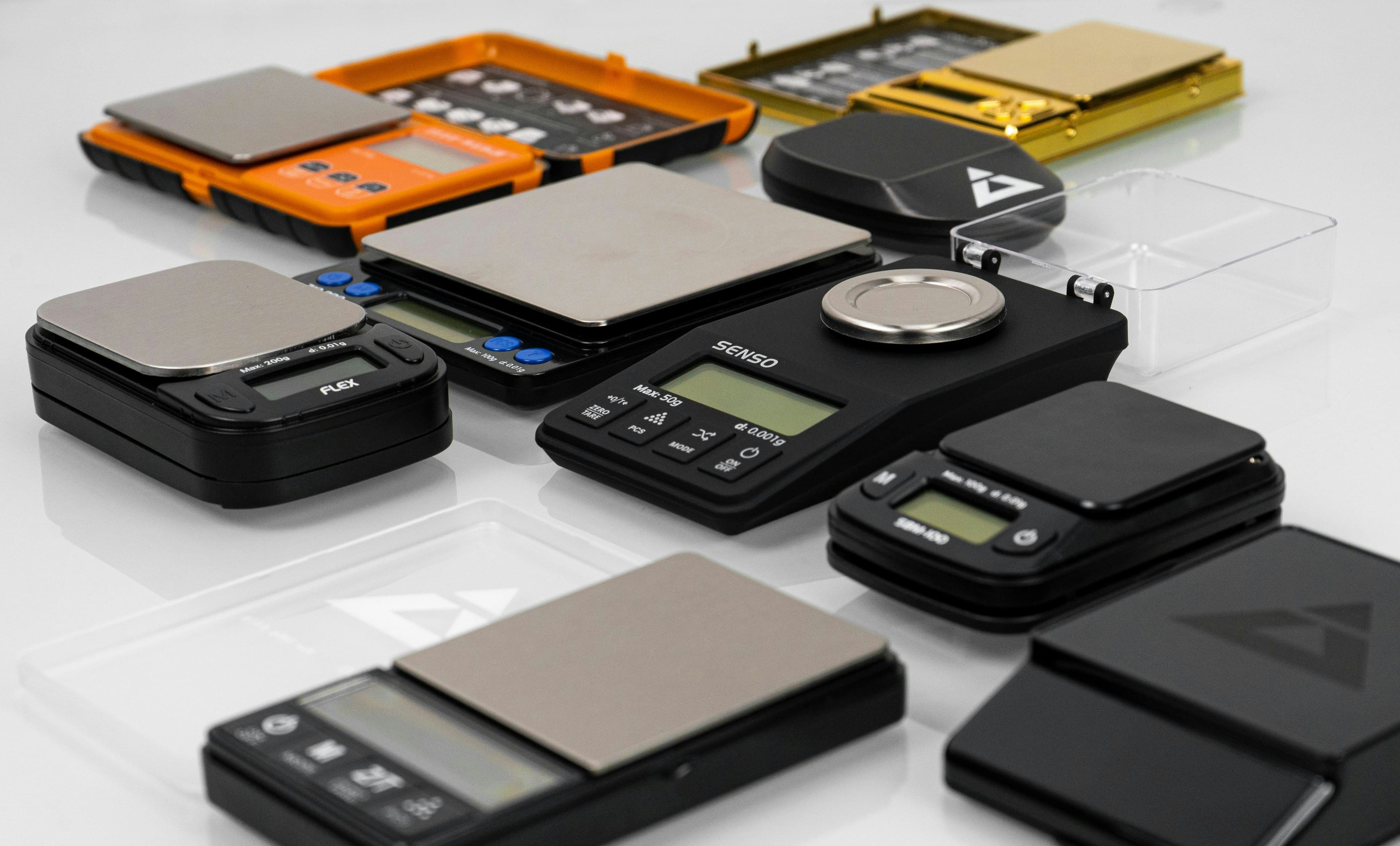
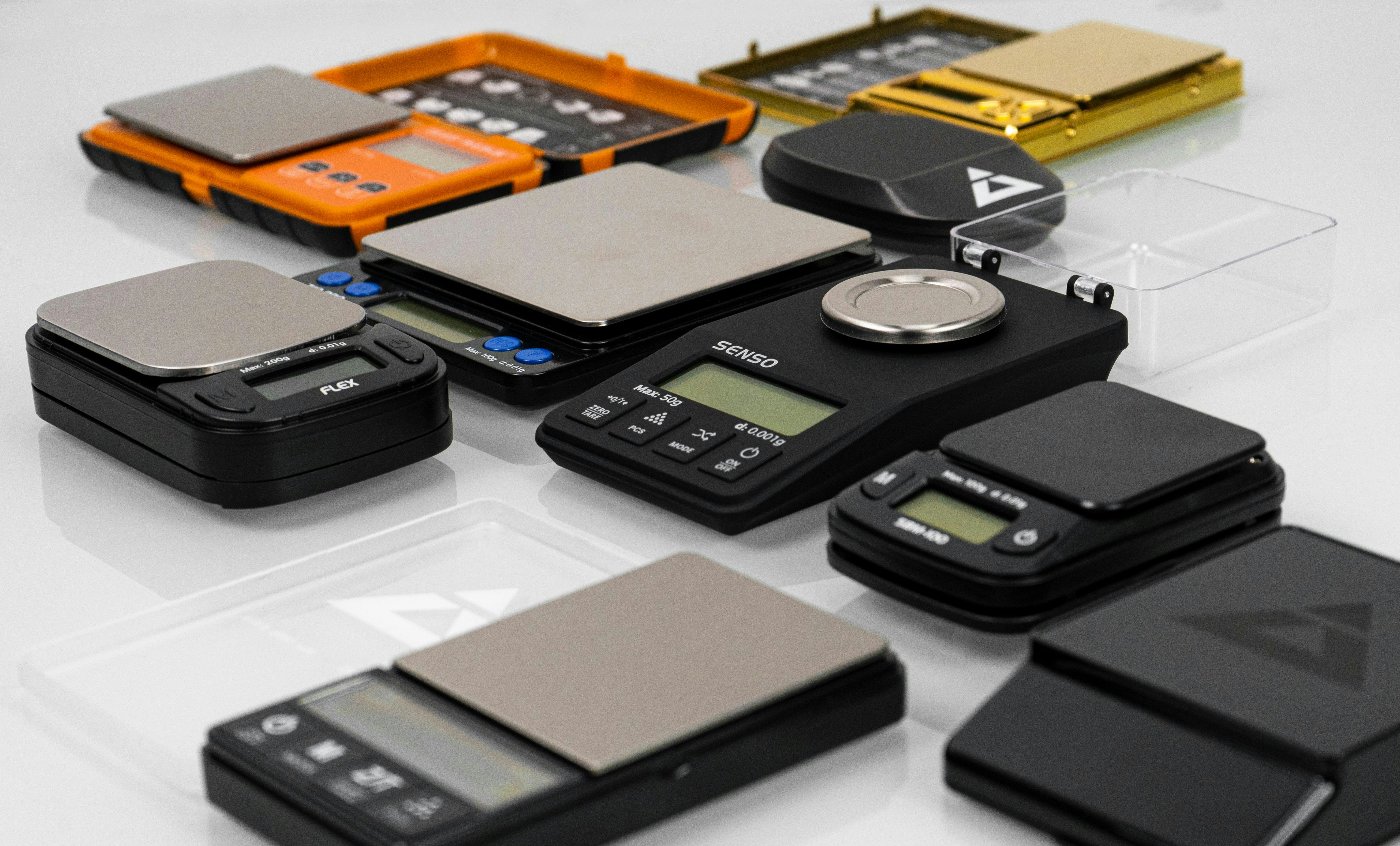
Choosing the right weighing scale for your business in Dubai or the wider UAE comes down to a few key factors. A supermarket checkout counter, a jewellery workstation, a warehouse dispatch lane, and a laboratory bench all need very different performance from their scales. The model that works well in one setting can cause problems in another.
This guide helps UAE buyers evaluate their options using a clear method. You will learn what questions to ask before you compare brands and how to match a scale to your actual operation.
Define Your Weighing Workflow First
Before you look at product listings, take time to map how weighing fits into your daily routine. Every business has a different pattern, and the right scale should match your workflow, not the other way around.
Answer these questions about your operation:
- What items are you weighing? Bags, boxes, loose produce, metals, or laboratory samples each place different demands on the scale.
- How many times per shift do you weigh items? High-frequency operations need fast stabilization and durable components.
- Is speed more important than fine precision, or the reverse? A retail checkout needs quick readings. A jewellery counter needs stable, repeatable measurements.
- Is the weighing result used for customer billing, quality control, or internal stock tracking? Billing and compliance uses require tighter error tolerance.
If your weighing data feeds customer invoices or regulatory reports, your margin for error should be smaller than for internal processes. The products page on this site lists categories built for different use cases.
Capacity and Readability: Choose the Right Balance
One of the most common buying mistakes in the UAE market is choosing a scale with more precision than the operation actually needs while overlooking durability. Here is a better approach:
- Identify your regular weight range first. Most of your daily loads will fall within a certain band.
- Add a margin for peak loads. A buffer of 20 to 30 percent above your typical maximum protects the equipment during busy periods.
- Match the readability to your business risk. Readability refers to the smallest weight change the scale can detect. Finer readability costs more and requires more controlled conditions to maintain.
Some examples of how this plays out in different settings:
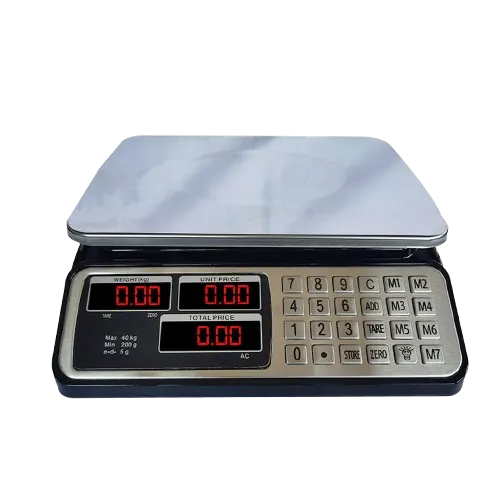
- A grocery store checkout counter needs fast, stable readings and a display that customers can see clearly. A price computing scale with label printing and dual display fits this environment well.
- A warehouse receiving station needs a strong platform and dependable repeatability even when loads are moved onto the scale quickly. Crane scales and floor scales handle these conditions.
- A jewellery counter requires finer readability and stricter environmental control. A jewellery scale with high accuracy and calibration readiness is the right choice.
Environment Fit Matters for Real-World Accuracy
A scale can perform perfectly during a demonstration in an air-conditioned showroom and still underperform on your actual shop floor. The environment where the scale operates day after day has a direct impact on accuracy and reliability.
Check these conditions before you buy:
- Heat and humidity levels. Dubai summers place stress on electronics and display components. Check the operating temperature range of any model you consider.
- Airflow and vibration around the weighing station. Drafts from air conditioning vents and vibration from nearby machinery can affect readings on sensitive scales.
- Cleaning routines, especially in food preparation and retail counters. The scale surface should tolerate regular wiping and sanitizing.
- Surface leveling and table stability. An uneven base introduces error into every reading.
- Power quality and cable routing. In industrial settings, power fluctuations can affect digital scale performance.
Taking a few minutes to review these factors before purchase reduces the chance of problems after installation. Our guide on scale accuracy and routine checks covers maintenance practices in more detail.
Integration with Your Existing Systems
If your business uses a point-of-sale system, label printers, or inventory management software, you should include integration in your buying decision from the start. Many store owners in Dubai treat scale selection and billing setup as separate choices, which leads to manual data entry and errors.
Include these questions in your supplier discussion:
- Is the scale model compatible with your current billing or inventory process?
- What output options does the scale offer, such as RS232, USB, or Bluetooth?
- How much training will your team need to use the new equipment effectively?
- What daily checks should operators run to keep the scale accurate?
The contact page is a good place to start if you want to discuss integration requirements with our team.
A Practical Pre-Purchase Checklist
Use this 7-point checklist when you evaluate any weighing scale for your Dubai or UAE business:
- Confirm your primary use case and operator workflow
- Determine the required capacity plus a reasonable margin
- Select readability that matches your transaction risk level
- Verify that the scale can handle your operating environment
- Check integration requirements with your existing systems
- Plan a daily verification routine before installation
- Confirm lead time and after-sales support channels
A good weighing purchase is one that remains reliable in month six, not just impressive on day one.
Final Recommendation for UAE Buyers
Shortlist scales based on business fit before you compare price or brand names. When you request a recommendation, share your actual use case, load profile, and environment details. This approach reduces ambiguity and helps your team feel confident about the decision after installation.
If you need help choosing the right scale, you can share your use case and target range with our team through the contact page. We serve customers in Dubai, Abu Dhabi, Sharjah, Ajman, Ras Al Khaimah, Fujairah, and Umm Al Quwain.