
Resource Guide
How Accurate Should a Jewellery Scale Be? A Guide for Dubai Gold Shops and Laboratories
How to match precision balance sensitivity with your actual environment, airflow, repeatability, and operator discipline in Dubai jewellery shops and labs.
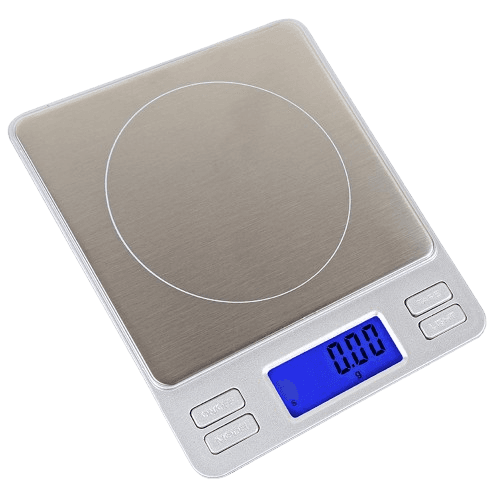
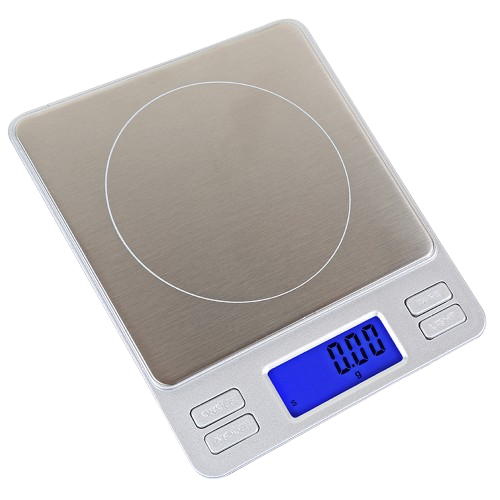
Precision weighing is where small setup errors can lead to expensive mistakes. In Dubai jewellery shops and laboratories, teams often focus on the sensitivity number printed on the specification sheet while overlooking the operating conditions that determine real-world accuracy.
A precision balance is only as reliable as the environment and process around it. This guide explains the key factors that determine how accurate a jewellery scale or laboratory balance actually performs day to day.
First Principle: Precision Is a Process
Two businesses can use the same model of balance and get very different results. The difference comes down to workflow discipline and environmental control.
The variables that have the biggest impact on precision weighing include:
- Air movement from air conditioning vents, open doors, or foot traffic near the balance
- Vibration from nearby equipment, displays, or heavy movement in the shop
- Surface instability caused by an uneven or flimsy table
- Inconsistent sample handling between different operators
- Irregular zeroing and verification routines
A balance in a controlled environment with consistent procedures will outperform a higher-spec model placed in a drafty, unstable location. Before you invest in a finer readability level, it makes sense to check whether your setup conditions can support it.
How to Determine the Right Accuracy Level
The accuracy you need depends on what you are weighing and the value of each transaction. Here is a practical way to think about it:
- For jewellery transactions involving gold, diamonds, or precious stones, a readability of 0.01g or 0.001g is typical. The finer the readability, the more carefully the environment must be controlled.
- For laboratory work, the required readability depends on the method and sample size. Many laboratory applications use balances with 0.001g or 0.0001g readability.
- For quality checks on finished pieces or loose stones, a readability of 0.01g is often sufficient when the process is consistent and the balance is verified regularly.
The right choice is the finest readability your environment and workflow can support reliably. Choosing a readability finer than your conditions allow will produce unstable readings and frustration for your team.
Our jewellery scales category includes models with different readability levels. You can compare specifications to find the right fit for your operation.
Lab versus Jewellery: Different Priorities
Both laboratory and jewellery applications need accurate measurements, but the decision criteria differ in important ways:
- Laboratories prioritize repeatability, method consistency, and the ability to maintain controlled conditions. Documentation and traceability are often required.
- Jewellery shops prioritize display clarity, customer trust, and ease of verification during the business day. The operator needs to show the reading to the customer with confidence.
In both settings, calibration and routine checks must be treated as standard operating procedures, not optional tasks. The UAE Ministry of Industry and Advanced Technology provides guidance on calibration and measurement standards for businesses operating in the country.
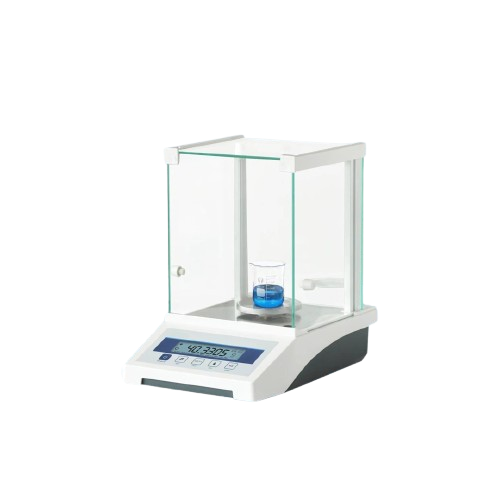
Setup Checklist Before You Commission a Precision Balance
Follow these steps before you put a new balance into daily use:
- Choose a stable bench away from direct airflow and vibration sources
- Level the balance correctly using the built-in level indicator
- Allow the balance to warm up and stabilize after powering on
- Perform an initial verification with a certified reference weight
- Define a daily check routine and assign responsibility to a team member
- Document the acceptable tolerance range so operators know when to escalate
Skipping these setup steps means even a premium instrument can produce inconsistent readings. For a deeper look at verification practices, read our scale accuracy and compliance readiness guide.
Common Precision Buying Mistakes
These mistakes come up often when businesses in Dubai choose a precision balance:
- Selecting a readability level that is finer than what the process or environment can support
- Placing the balance in an area with drafts, vibration, or temperature changes without addressing them
- Assuming that a higher price tag automatically means better real-world performance
- Treating calibration as a one-time event rather than a recurring process
Avoiding these errors saves time, reduces disputes, and builds confidence in your weighing results.
How to Compare Models Correctly
When you compare different balance models, ask these questions instead of focusing only on sensitivity:
- Which model matches your actual sample weight range, not just the finest increment?
- Which model stays stable in your specific operating environment?
- What verification checks can your team realistically perform every day?
- What support and calibration options does the supplier offer?
A practical, sustainable measurement process always beats a theoretical specification advantage that cannot be maintained in daily use.
The pocket scales category on this site includes portable precision models that work well for certain applications. For laboratory-grade requirements, the jewellery scales category offers higher sensitivity options.
External Reference for Standards
If you need to understand international weighing standards, the National Institute of Standards and Technology publishes FAQs and reference materials on weighing and scales. The OIML also publishes international recommendations for weighing instrument performance and testing.
These resources are useful for teams that need to align their internal processes with recognized standards.
Final Recommendation
For precision applications in Dubai and across the UAE, shortlist equipment together with environment controls and verification routines. When model selection and process design are done together, outcomes become more consistent and auditable.
If you are not sure which accuracy level fits your jewellery shop or laboratory, contact our team through the contact page. Share the items you weigh, your typical range, and your environment details, and we can recommend suitable options.